

Controlled-Substance Prescribing Policies for Telepsychiatry Practices: What Your Policy Should Cover
A telepsychiatry controlled-substance policy should define who makes prescribing decisions, what must be verified, where PMP and EPCS enter the workflow, how routine and unusual medication requests are handled, when clinical reassessment is needed, and what gets documented.

New York PMP/I-STOP for PMHNPs and Psychiatrists: When to Check It and How to Document It
New York psychiatrists and PMHNPs generally must consult the PMP Registry before qualifying Schedule II, III, or IV controlled-substance prescribing. The report must be obtained within 24 hours of the prescribing event, and the consultation or applicable exception must be documented in the patient chart.

EPCS for PMHNPs and Psychiatrists in New York: Setup, Security, and Common Mistakes
Psychiatrists and PMHNPs who electronically prescribe controlled substances in New York need more than standard e-prescribing. EPCS requires an appropriate application, identity proofing, two-factor authentication, New York BNE registration, and strict practitioner control of signing credentials.
DEA Recordkeeping for Telehealth Psychiatrists and PMHNPs in New York
Telehealth does not create a separate DEA recordkeeping category. Psychiatrists and PMHNPs should identify which records apply to their actual controlled-substance activities, then map each category to its storage system, retention period, and retrieval method.
How to Start a Telepsychiatry Private Practice in New York
Starting a telepsychiatry private practice in New York requires more than setting up telehealth software. Psychiatrists and PMHNPs need a coordinated launch sequence covering professional authority, business structure, clinical technology, prescribing systems, credentialing, privacy, emergency procedures, and practice-location needs.
How Much Does It Cost to Start a PMHNP Private Practice in New York?
A lean PMHNP private practice in New York may require roughly $2,000 to $5,000 in initial expenses, while a more professionally supported virtual or hybrid model may require about $5,000 to $12,000 before financial runway. A useful budget separates startup costs, monthly overhead, and reserve capital.

What Should Be Kept at a DEA Registered Practice Location?
DEA recordkeeping requirements vary with the activities performed through the practice. Form 223 has a clear registered-location requirement, while inventory, purchasing, dispensing, administration, and related records apply only when those activities occur.

What Happens if the DEA Inspects Your Registered Practice Location?
A DEA inspection of a psychiatric practice can involve the registered premises, applicable controlled-substance records, registration information, security, and related activities. Prescribing-only practices with no medication inventory may face a different practical inspection scope from offices that store or dispense controlled substances.
NPI vs. CAQH vs. DEA vs. NYSED: Which Address Should Psychiatrists and PMHNPs Use in New York?
Psychiatrists and PMHNPs may legitimately use different addresses across NPI/NPPES, CAQH, DEA, and NYSED. The right entry depends on what each field represents, whether the information is public, and how the location relates to the practice.

How Out-of-State PMHNPs Can Build a New York Private Practice
An out-of-state PMHNP can maintain a New York practice without living there. The key is to separate New York professional authority from patient-location rules, prescribing, payer setup, professional records, and any local address or office access the practice actually needs.

Virtual Office vs. Full-Time Physical Office for Psychiatrists and PMHNPs in NYC
A flexible office can keep costs closer to actual use for virtual and hybrid psychiatric practices. A full-time physical office becomes more attractive when frequent in-person care, permanent storage, staff needs, schedule certainty, or greater control justify the fixed monthly expense.

How Practicing Near Therapists Can Support Psychiatrists and PMHNPs
Practicing near therapists can help psychiatrists and PMHNPs build referral familiarity and communicate more easily when coordination is appropriate. Shared space does not create a formal care team, change privacy rules, or replace patient-specific referral judgment.

Do Psychiatrists and PMHNPs Need a Physical Office in New York if They Practice by Telehealth?
Telehealth-first psychiatrists and PMHNPs in New York do not automatically need a traditional full-time office. A physical professional location may still matter for DEA registration, PMHNP practice-setting rules, credentialing, records, or occasional in-person care.
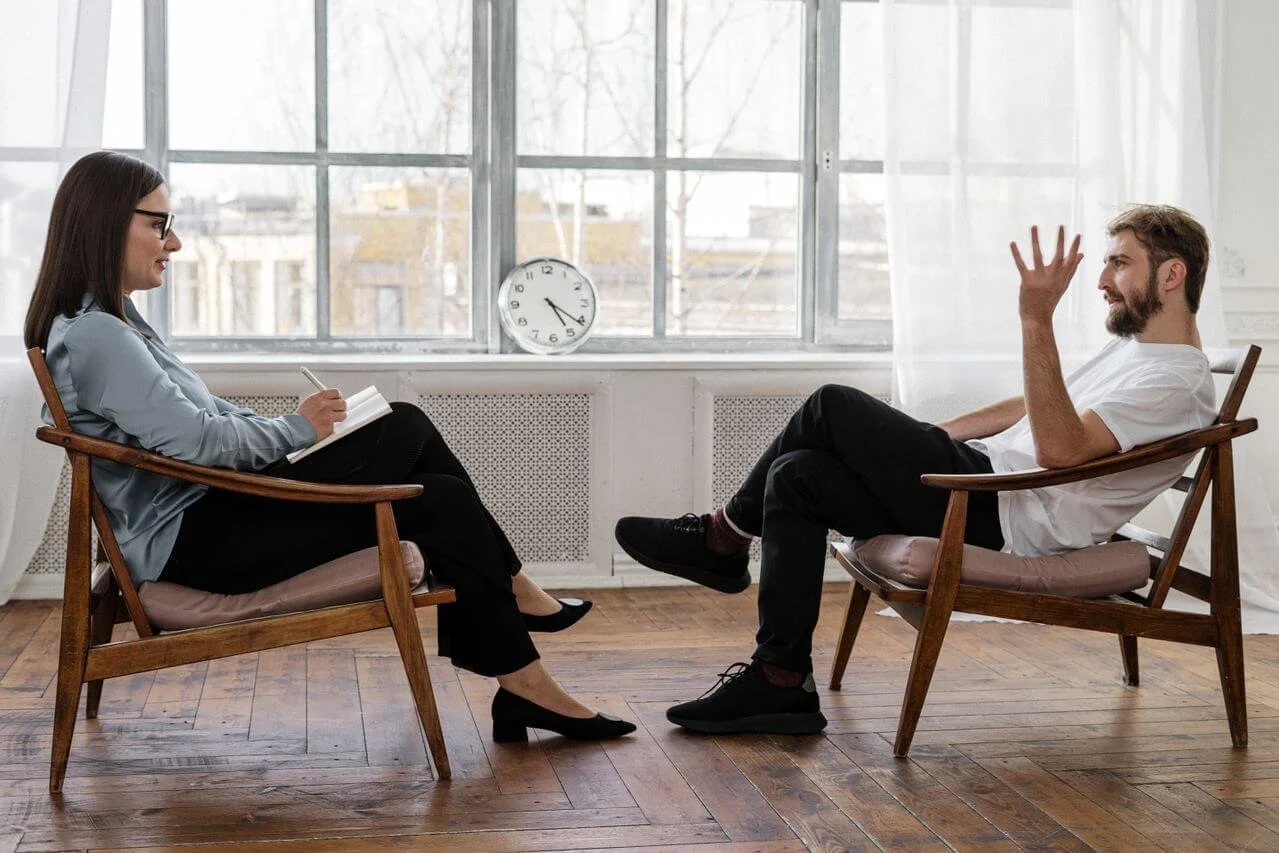
How Club Clarity Supports a Virtual Psychiatry Practice With a Real Professional Base
A virtual psychiatry practice can remain mostly remote and still benefit from dependable physical space. Club Clarity gives psychiatrists and PMHNPs access to clinical rooms, workspace, member programming, and an option for recurring weekly room blocks.

How to Keep Your Home Address Private When Starting a Psychiatric or PMHNP Practice in New York
Keeping your home address private starts with knowing which systems truly need it. Psychiatrists and PMHNPs can reduce unnecessary residential exposure by auditing public records, separating address functions, and using accurate professional alternatives where permitted.

Why Real Clinical Office Access Matters When Choosing a DEA Practice Address
A mailing address and a professional practice location serve different functions. Learn why physical access, permitted clinical use, written documentation, and accurate staff procedures matter when evaluating a DEA practice address.

Can I Use My Home Address for DEA Registration? What Psychiatrists and PMHNPs Should Know
Psychiatrists and qualifying PMHNPs can use a home address for DEA registration. Doing so can make the residence controlled premises, so clinicians should weigh inspection rules, privacy, housing restrictions, insurance, and professional-use needs before deciding.
Home Address vs. Professional Business Address for a New York Private Practice: Which Should You Use?
Using your home address can reduce early practice costs. A separate professional address may provide greater residential privacy, clearer separation from home, more stable contact information, professional mail handling, and access to workspace.

Why Psychiatrists and PMHNPs May Prefer a Mental-Health Professional Community to a Generic Virtual Office
A basic virtual office can work well when you mainly need an address and mail handling. For psychiatrists and PMHNPs seeking peer relationships, shared professional space, and clinician-focused events, a mental-health community may offer more.
Can a PMHNP or Psychiatrist Use a Virtual Office for DEA Registration in New York?
A virtual office may support DEA registration when it involves a physical professional location, actual access, permitted use, and a documented relationship. Learn what New York PMHNPs and psychiatrists should check before relying on one.
CURIOUS ABOUT OUR COMMUNITY?
At Clarity Health + Wellness, we offer a unique opportunity for mental health providers to thrive in a supportive, professional environment. Explore how our Club Membership connects you with resources, community, and the support to elevate your practice.